
How reformulation can support nutrition
Nutrition when appetite shrinks: What GLP-1 receptor agonist therapies mean for food design
GLP-1 medications are changing eating patterns at scale.
Smaller portions.
Lower appetite.
Greater sensitivity to texture, heaviness, and satiety.
Whether people are currently using GLP-1 receptor agonist therapies, tapering off them, or simply eating less for other reasons, the implication for the food system is the same: when intake falls, nutritional efficiency matters more. Food designed for high consumption volumes struggles in a low-intake world. Products optimised for calories, bulk, and cost-per-kilo start to look misaligned when consumers are eating fewer mouthfuls - not more.
The opportunity is not to medicalise food. It is to make everyday food nutritionally efficient, affordable, and easy to tolerate.

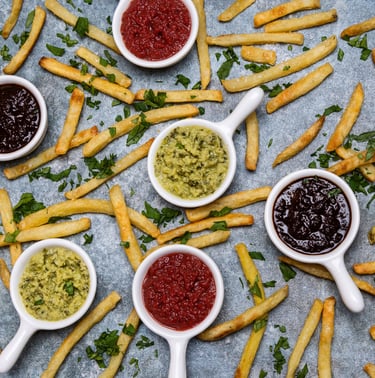


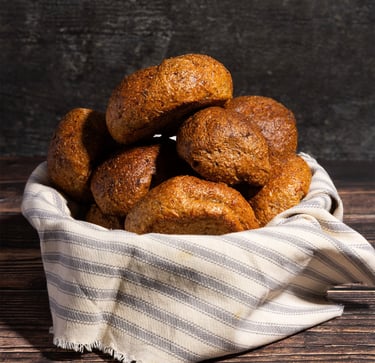
If you want to reformulate foods to help improve nutrition and meet the realities of a GLP-1 world, contact us!


Why fibre and protein together matter — without making claims
Protein and fibre are two of the most important structural components in modern food formulation. Not because of any single outcome, but because together they contribute to:
nutritional density
functional performance in food
and how filling foods feel relative to portion size
Many current protein systems deliver one without the other or rely on heavy fractionation that strips crops into isolated components.
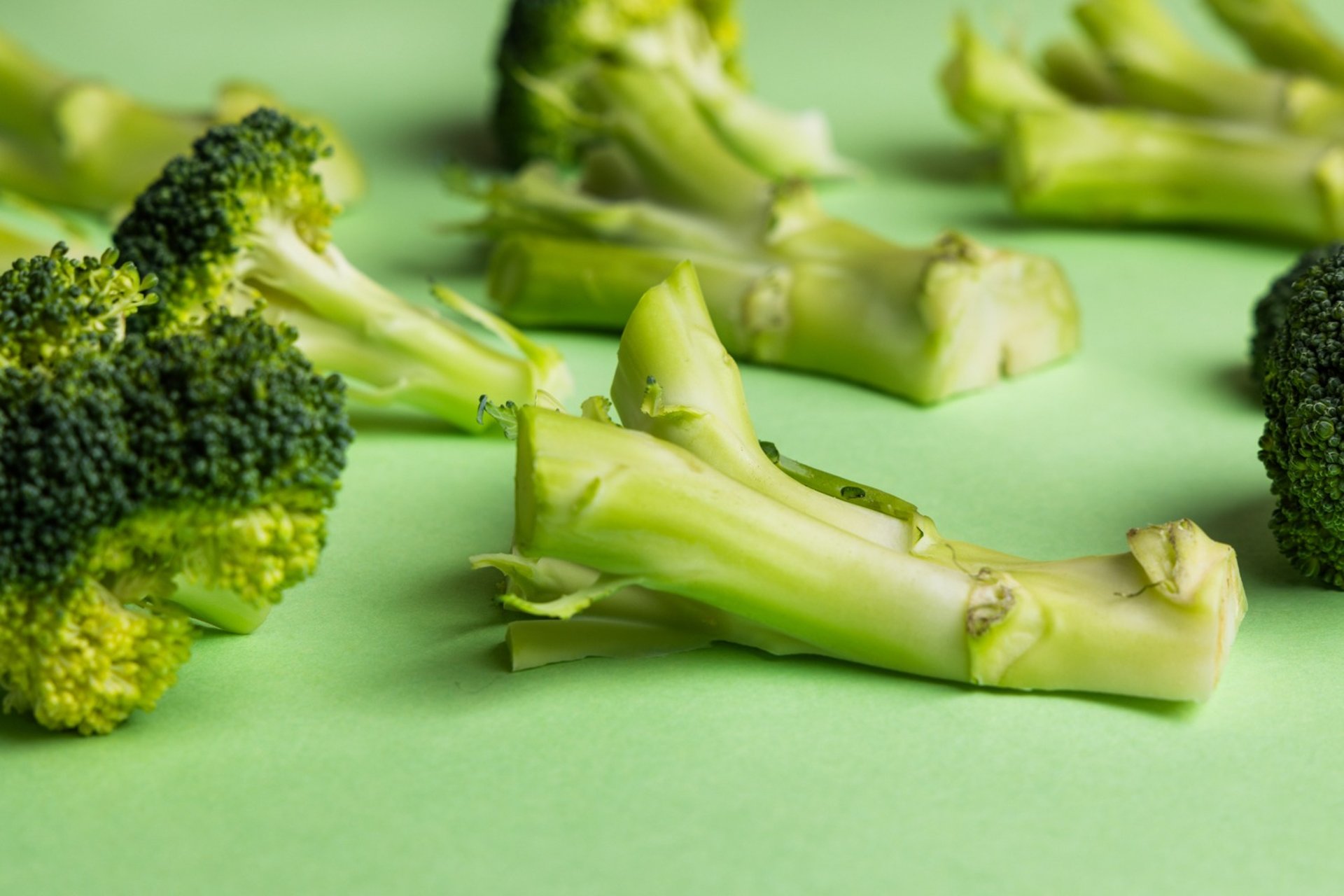
UPP takes a different approach. By fractionating broccoli into protein-rich and fibre-rich ingredients, we concentrate nutrition while reducing the simple sugars and fermentable fractions that can be problematic for some consumers.
This is not about positioning food as “gentle” or “functional” in a medical sense - it’s about designing ingredients that work across a broader range of digestive tolerances.
Broccoli vs inulin: a formulation reality
Inulin is widely used as a fibre ingredient, but it is also a fructan - a fermentable carbohydrate that some people actively seek to limit.
Whole broccoli already tends to be better tolerated than inulin by many consumers. Importantly, when broccoli is fractionalised into protein and fibre extracts, much of the soluble sugar content is removed as part of processing. The result is not a health claim - it is a composition change:
higher protein and fibre per gram
lower simple sugar contribution
greater formulation control
That distinction matters when designing foods for people with smaller appetites or heightened sensitivity to portion size and ingredient load.
How broccoli protein compares to soy, pea and wheat
Most plant protein in today’s food system comes from three sources: soy, pea and wheat. Each plays an important role - but each also brings trade-offs.
Soy protein
Highly functional and widely used
One of the most common food allergens
Often globally sourced and heavily processed
Pea protein
Popular as a soy alternative
Can present taste and texture challenges
Still associated with digestive discomfort for some consumers
Wheat protein
Technically versatile
Contains gluten, excluding a growing consumer segment
Broccoli protein
Derived from a familiar vegetable crop
Naturally free from major allergens (including soy, gluten and legumes)
Produced from under-utilised biomass already grown at scale
Broccoli is not a replacement for every protein system — but it introduces a new option that reduces reliance on allergenic or globally traded isolates, while fitting into existing food formats.
Nutrition density without consumer effort
One of the consistent themes across food innovation is misplaced effort. Too often, progress depends on asking consumers to:
learn new ingredients
accept higher prices
or change habits
UPP’s approach works upstream instead. By reformulating ingredients rather than behaviour:
manufacturers can increase nutrition per portion
retailers gain lower-impact sourcing without new categories
consumers experience familiar food that simply works better
No claims.
No behavioural demands.
No new rules at the table.
Why this matters beyond GLP-1 receptor agonist therapy use
GLP-1 therapy use has accelerated a shift that was already underway.
Ageing populations.
Smaller household sizes.
Changing eating patterns.
All point in the same direction: food systems optimised for volume are becoming less relevant.
The future belongs to ingredients that:
deliver more nutrition per gram
integrate cleanly into existing manufacturing
and remain affordable at scale
Using under-utilised broccoli to produce protein and fibre ingredients is not a trend response - it is a system response.
A quieter kind of progress
UPP does not position its ingredients as solutions in isolation. We design systems where:
farmers gain value from what was once wasted
producers gain lower-cost, low-friction ingredients
consumers gain better food without trade-offs
and environmental impact is reduced through use, not avoidance
GLP-1 therapies didn’t create the need for better food. They revealed where the system was already thin. What is needed is a system that is:
Better for planters.
Better for producers.
Better for people.
Better for the planet.
Not as a claim, but as a consequence of better design.



Get in touch
Keep updated
© 2024. All rights reserved.
+44 1952 327 357
welcome@upp.farm
Upcycled Plant Power ('UPP') Limited
trading as "UPP" and "Freya"
Company number: 14171122
VAT Number: 428 2222 17
Registered address:
Agri-Tech Centre
Poultry Drive, Edgmond,
Newport, Shropshire
United Kingdom TF10 8JZ
Connect with us
A list of trademarks/brands can be found here


An interim Life Cycle Analysis (LCA) is here