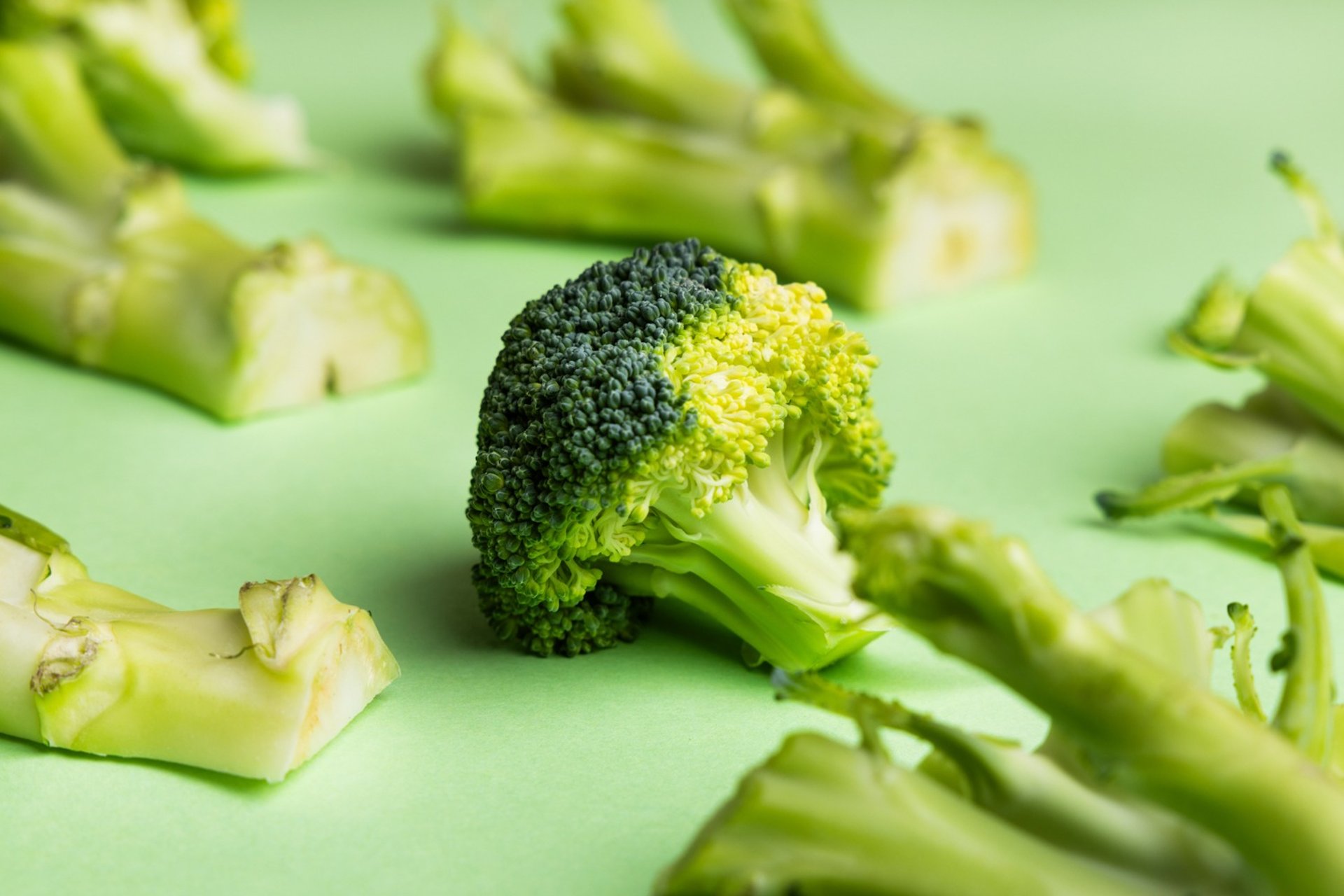
A flexible nutritious source of non-allergenic protein
Our brassica protein’s main advantages are that it is natural, allergen-free, plant-based, and associated with an “upcycled” circular-economy story, while incurring low-switching-cost and being compatible with existing food manufacturing processes rather than requiring radical reformulation or process changes.
It contains all nine essential amino acids, and compared with commodity proteins like pea, soy, wheat, or "frontier Alt-protein", it can help manufacturers reduce consumer-acceptance risk, improve sustainability credentials, and optimise cost and nutrition incrementally, especially in mainstream products. In aggregate, this makes us the "alt-ingredient supplier that is easiest to qualify".
vs soy protein
Soy remains the benchmark for functionality and price-per-kg protein in many applications (emulsification, texturisation, bakery), but it carries meaningful downsides: it is a major allergen, often triggers consumer “ultra-processed/industrial soy” objections in some segments, and can raise sustainability or deforestation-linked sourcing questions depending on supply chain.
We offer an allergen-free alternative with a strong circularity story (“upcycled”), plus specification-grade consistency and practical integration support.
vs pea protein
Upcycled broccoli protein can be an alternative for pea when manufacturers want similar protein-and-structure functionality but need to reduce allergen concerns and mitigate pea’s flavour/consumer-perception issues (e.g., “beany” notes) while improving sustainability claims. Hybrid pea/broccoli protein is an option to help reduce costs while addressing the taste issues of pea protein.
vs wheat protein
Wheat protein (often vital wheat gluten) is prized for elasticity, binding and chew - especially in meat analogues and bakery - yet it is strongly associated with gluten (a high consumer-avoidance trigger) and is not suitable for gluten-free claims.
We deliver a route to protein and fibre enrichment without gluten-related restrictions. The trade-off is that while wheat gluten’s unique viscoelastic network is difficult to replicate; broccoli protein may work better as a binder/yield/texture support within a blend rather than a like-for-like replacement in applications where gluten’s stretch/chew is the core functionality.
vs mycoprotein
Mycoprotein (fermentation-derived fungal biomass), is typically advantaged on meaty texture potential, large-scale industrial narratives, and a consumer precedent in some markets (notably via established mycoprotein brands), while also carrying questions around processing perceptions (“fermented biomass”), occasional intolerance concerns for a minority of consumers, and the need for application-specific messaging.
We deliver a more intuitive “plant + upcycled” story and an ingredient swap framing that can be easier to adopt in mainstream hybrid products (including mycoprotein); the key trade-offs are that mycoprotein may deliver superior fibrous texture in certain meat analogue formats, while broccoli protein may shine as a functional protein/fibre ingredient for yield, nutrition and cost optimisation rather than being the primary “meat-like” structure.
vs cultivated meat
Cultivated meat offers the promise of “real meat without livestock,” but today it remains constrained by regulatory pathways, scale economics, and supply availability, making it a higher commercial-readiness and supply-confidence risk for mainstream manufacturers than hybrid approaches.
Hybrid meat (blending animal meat with plant/other proteins) often wins in the near term on consumer acceptance and sensory risk because the product still “tastes like meat,” while enabling incremental improvements in cost, nutrition, and footprint without requiring a full behavioural switch;
We lean into this “improve rather than remove” logic. Fully plant-based can deliver larger potential footprint reductions and meets vegetarian/vegan needs, but faces higher taste/texture expectation barriers in the mass market and can be more sensitive to ingredient perceptions.
We give food manufacturers a low-friction reformulation lever (improved nutrition, CO₂ down, cost down.)
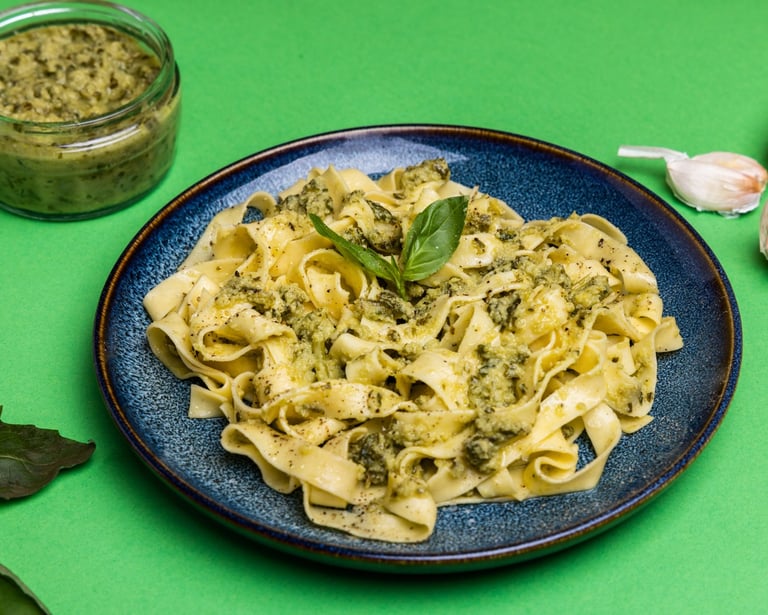
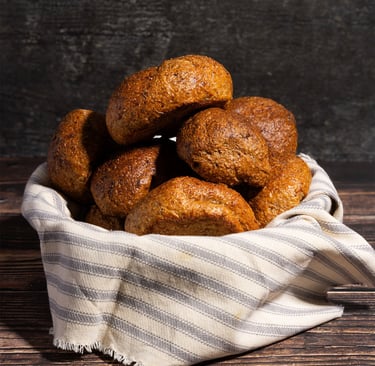
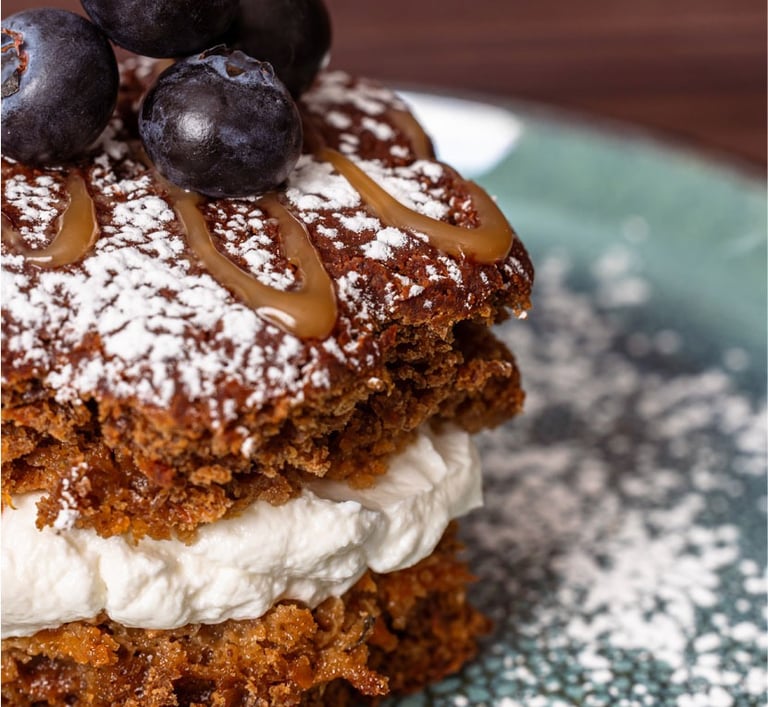
In summary, the answer to sustainable, affordable, nutritious, delicious food is unlikely to lie with just one form of meat alternative as "Ingredient stacking" can reduce footprint vs single-input approaches. In any event, upcycled brassica protein is likely to be one of the answers, and an enabler to several more.
What happens when you stop over-engineering ingredients and just make naturally better products?
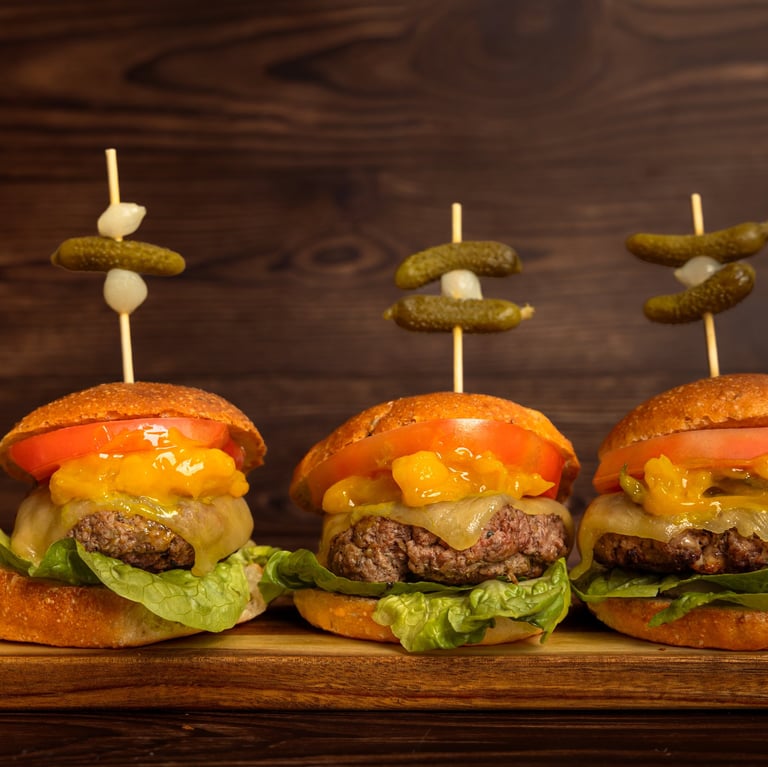
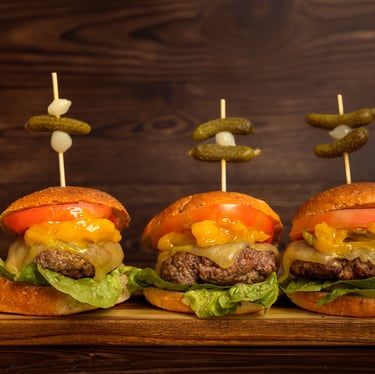
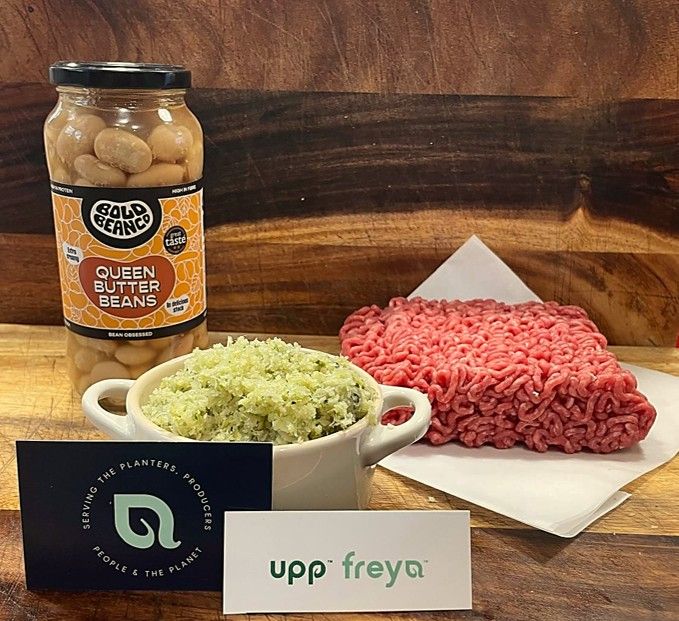
You get this - a hybrid burger made with:
UPP Fiba – that keeps the burger juicy and lifts the fibre content.
Bold Bean Co Queen Butter Beans – creamy, protein-rich, ridiculously good texture.
British Beef – depth, flavour, satisfaction.
You get the real deal. But you also get ...
No gums.
No methylcellulose.
No weird lab binders
Just whole ingredients that pull their weight ... The fermented fibre holds the moisture; the beans bring body, and the beef brings the crave.
We produce vegan ingredients but what we do is not about replacing meat. It’s about evolving food so it tastes great and makes sense from an economic, environmental and nutritional perspective. We are committed to "improve not remove", and in the same way we believe we should work to produce great reduced-beef burgers, and work with alternatives (such as beans) to achieve this, we believe we should also work with other non-meat proteins.
As an example we have worked with a food producer on a pea / broccoli protein product. The broccoli and pea protein complement each other, removing the pea taste "high notes" and making the mouthfeel more appealing.
Similarly, we are working with a mycelium producer with the aim of making a hybrid mycelium / broccoli burger with better mouthfeel than mycelium alone and at a price position below that of a beef burger (and therefore less expensive than a mycelium only burger). This could be transformational for mycelium adoption - mycelium burgers are unlikely to materially displace beef burgers while they remain more expensive.
An example of how to make it work: The "Triple-B"
We focus on evidence and analysis
We believe it is important to take an evidence-based approach.
We work with the James Hutton Institute to help us deliver great products from cutting edge research and commercial laboratories to ensure our benchmarks are valid.
The amino acid composition of our products are similar to pea and soy protein and contains all the essential amino acids.
However, unlike wheat and soy, broccoli is not in the Top 14 allergens or listed on the two main allergen databases (Compare and AllergenOnline), supporting that it is allergen-free, thus removing a risk for food manufacturers and consumers.
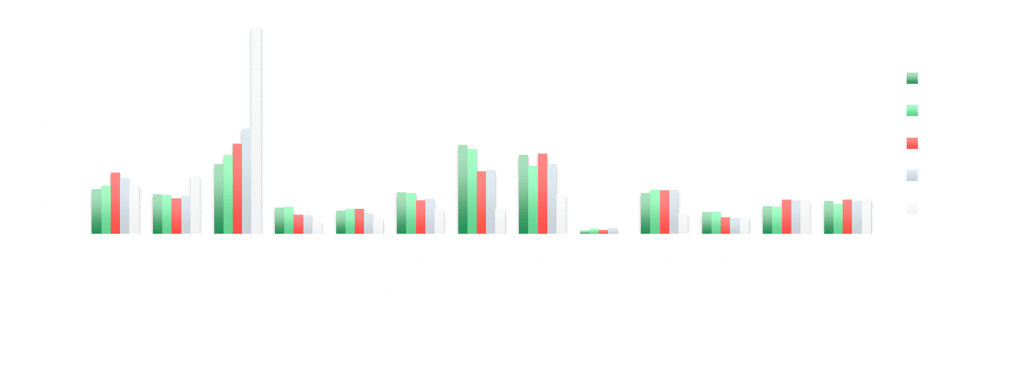
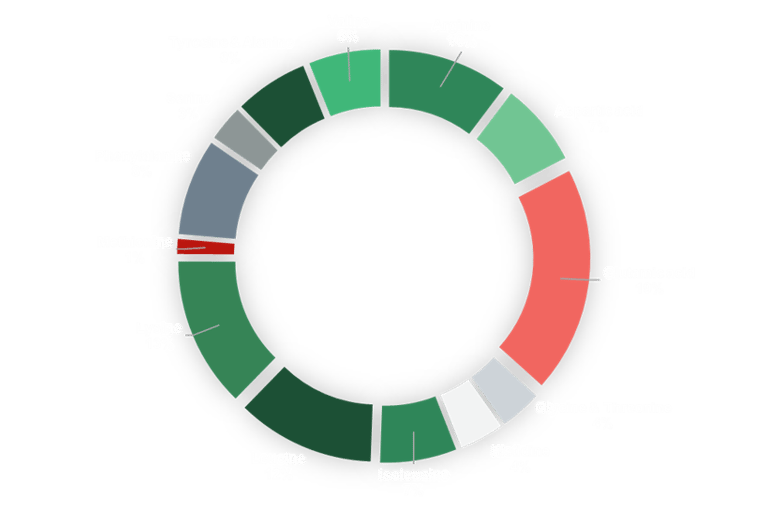




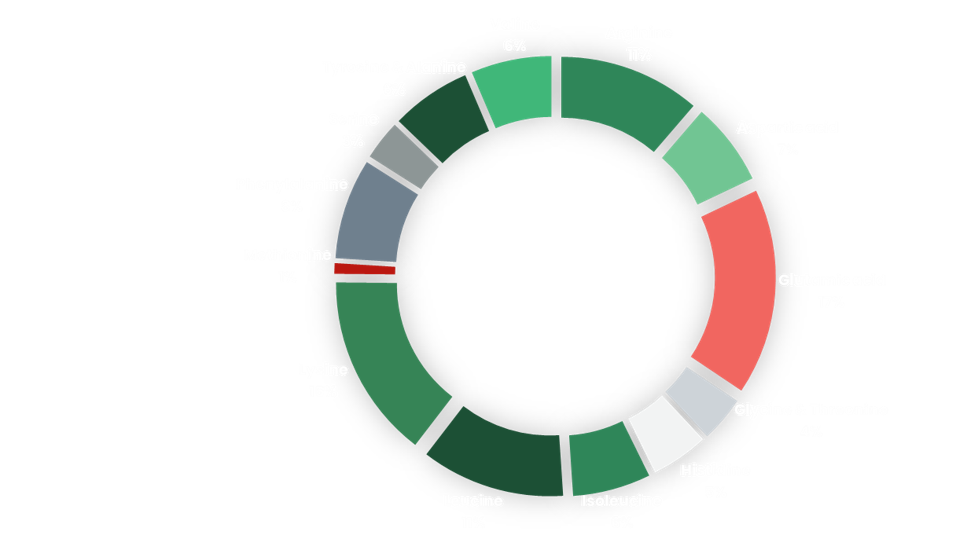
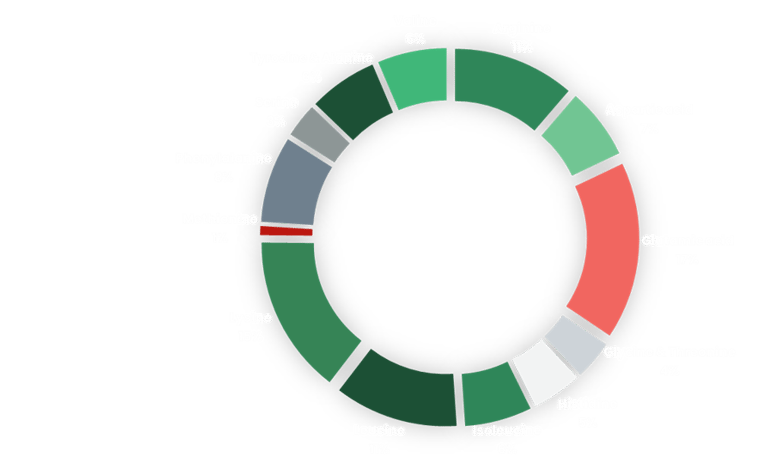
Comparison across proteins
Get in touch
© 2026. All rights reserved.
Upcycled Plant Power ('UPP') Limited
trading as "UPP" and "Freya"
Company number: 14171122
VAT Number: 428 2222 17
Registered address:
Agri-Tech Centre
Poultry Drive, Edgmond,
Newport, Shropshire
United Kingdom TF10 8JZ
Connect with us
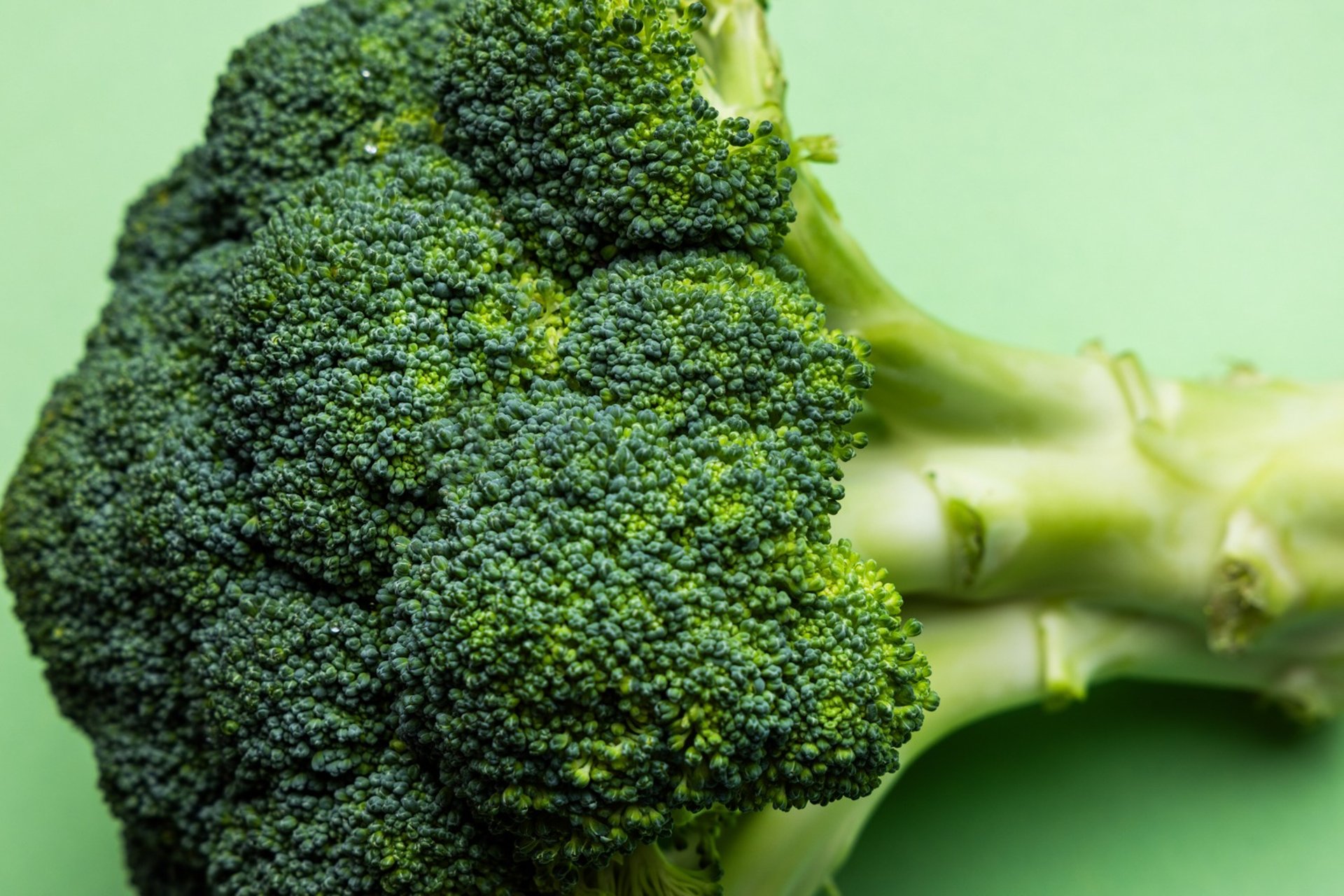
Broccoli is a natural source of vitamin K and contains folate, potassium and beta-carotene, a provitamin A carotenoid. Our Fiba and Prota products are a source of fibre, making them nutritionally valuable ingredients.