The clean-label transition is here. It's no longer a trend - it's a procurement specification.
Methylcellulose (E461) is one of the most-cited reasons retailers and manufacturers are rebuilding plant-based and hybrid formulations. Brassica protein and fibre can help give them a way to do it without breaking the system.
For most of the last decade, methylcellulose was treated as the unavoidable cost of making plant-based meat work. It binds, gels on heating, holds a patty together when it cooks. It is FDA- and EU-approved, and there is no live regulatory threat to its use. But the operating reality has shifted, and reformulation away from E461 is now happening in retailer briefs, in brand reformulations, and in supplier specifications across the UK and EU. Behind every part of this shift sits a single question for the food producer: can the change be made without breaking taste, margin, capacity or supplier confidence?
For UPP, the answer matters because it is where our ingredients earn their place — not as a one-for-one drop-in for a whole-cut burger, but as the low-friction route by which mainstream products can move up the clean-label scale at scale.
Why the methylcellulose conversation has changed
Five forces have moved this from a niche debate to a procurement specification:
Consumer perception. Methylcellulose is the most-cited evidence in the ultra-processed-food (UPF) discourse against plant-based meat. The narrative has stuck — fairly or otherwise — and is now part of how shoppers read an ingredient list.
Retailer specifications. UK and EU multiples are tightening private-label and tier-A specifications around E-numbers. "Free-from E461" appears as a routine line in 2025–26 retailer briefs.
Brand reformulation. Beyond Meat has launched Beyond IV (the first plant-based meat to achieve Clean Label Project Certification), Sun Sausage (four ingredients), and Beyond Ground (four ingredients, no methylcellulose). The March 2026 rebrand from "Beyond Meat" to "Beyond" is, in part, a clean-label repositioning.
Supplier race. A queue of ingredient companies is now competing to displace methylcellulose. Peer-reviewed work in Foods (Peñaranda et al., April 2025) has shown sodium alginate outperforming methylcellulose on cohesion and water retention.
Litigation pressure. Multiple consumer class-action suits filed between 2022 and 2024 have challenged "all-natural" claims against methylcellulose-containing formulations.
None of this requires regulators to act. The shift is commercial, and it is moving faster than regulatory shifts usually do.
What this means for food producers
Most large food producers we speak with are already aware of the direction of travel. The challenge they describe is not whether to reformulate, but how to reformulate without introducing new friction:
a clean-label replacement that demands changes to existing processing lines is not a clean-label replacement — it is a different reformulation problem
a hydrocolloid alternative that adds two more ingredients to the back of pack works against the clean-label objective it was meant to serve
a novel binder with a fragile supply chain or a regulatory tail does not survive the procurement and QA approval cycle
The winning answer is the answer that fits the system the producer already operates: predictable behaviour across hydration, cooking, freezing and extrusion; procurement-grade documentation; reliable, regionally-anchored supply; and a name on the back of pack that the shopper recognises.
Where brassica protein and fibre fit
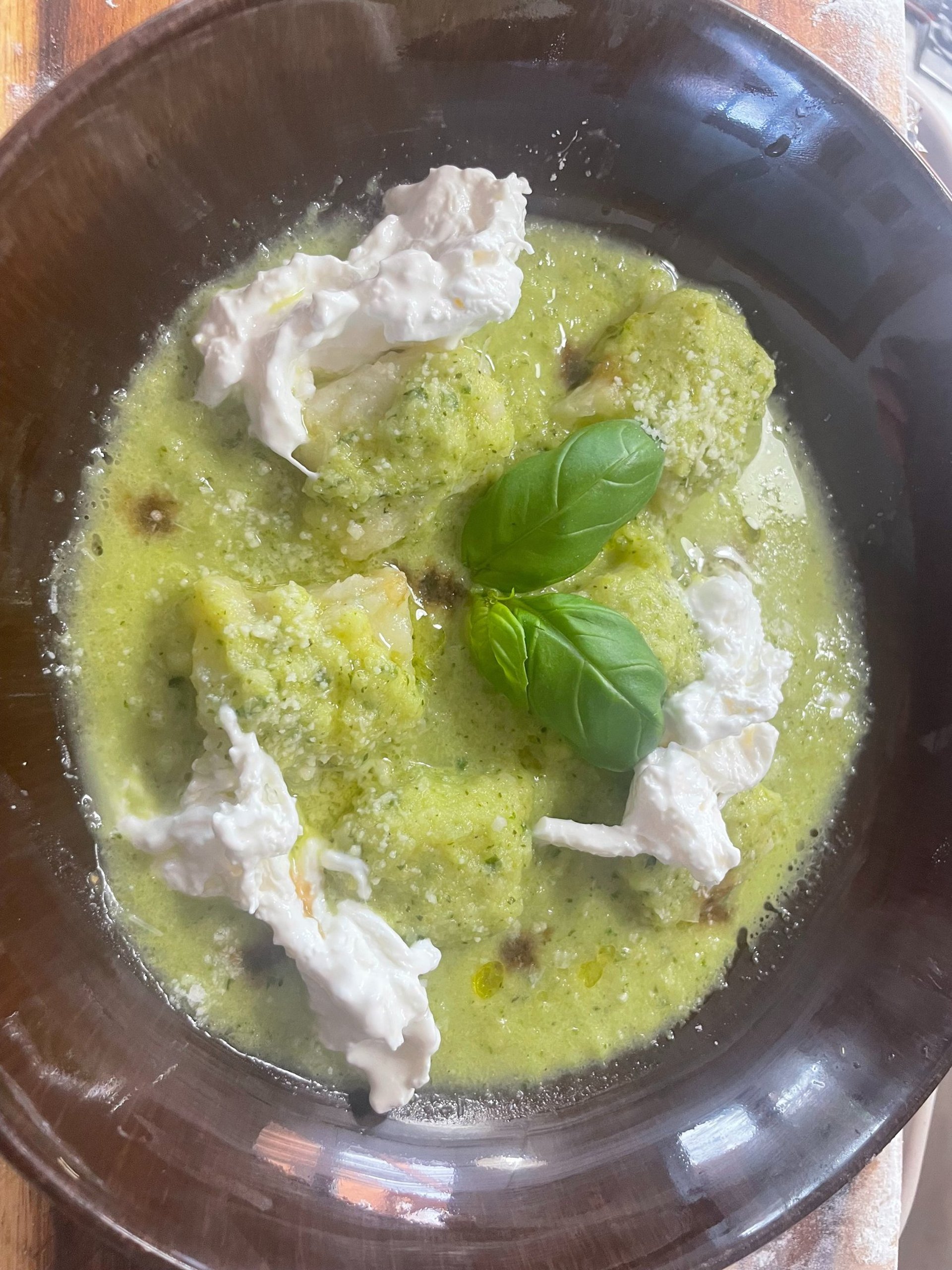
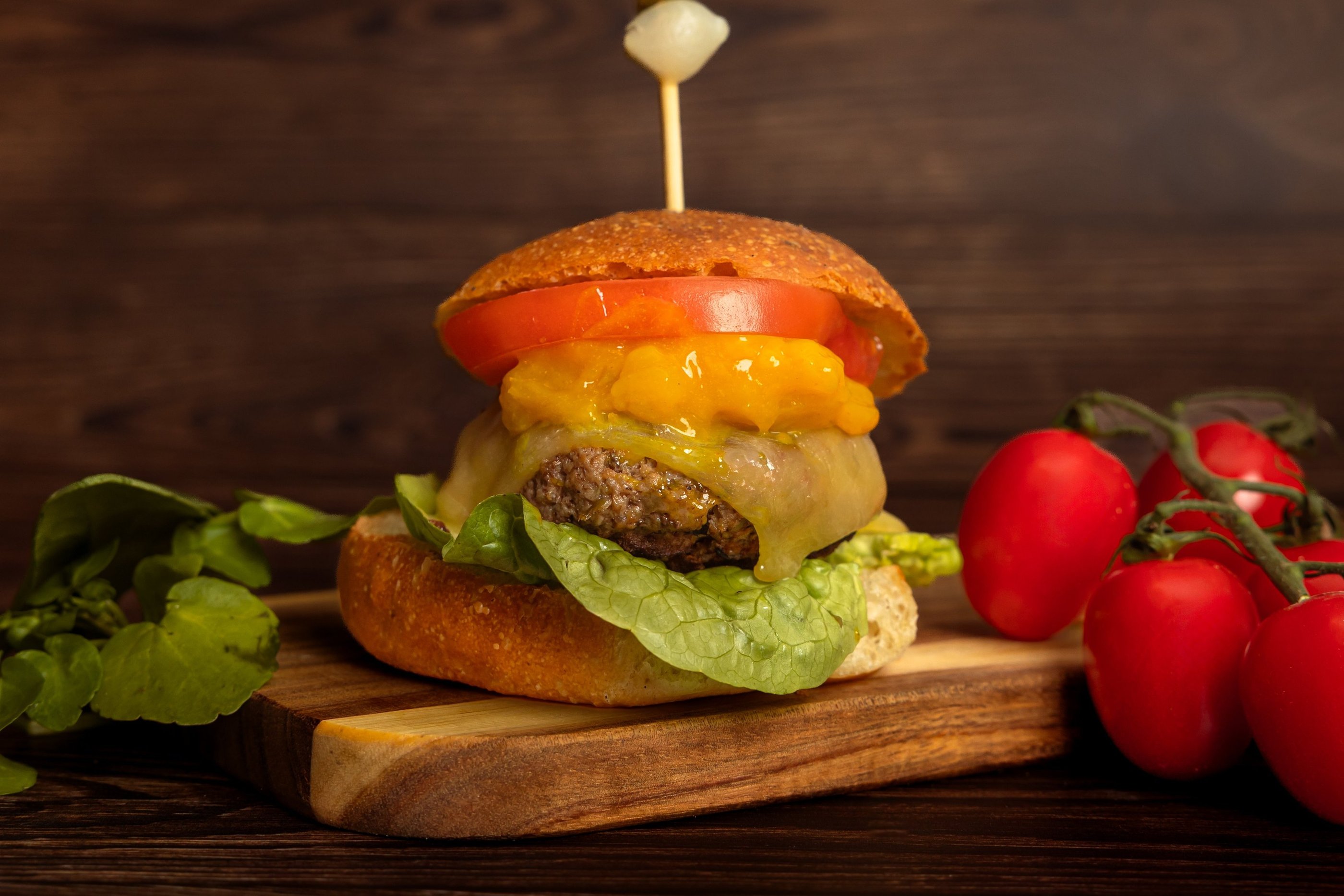
UPP's Bynda™ gelling agent is upcycled from the consumer-quality broccoli stems and stalk that would otherwise never make it off the field. Bynda is not designed to compete with methylcellulose in a whole-cut Beyond-style burger — that is a very specific texture problem with a small set of viable answers, although in such cases it can be part of the solution (and indeed in hybrid beef / been burgers). It is designed for the much larger Tier 1 retail volume that sits outside the meat-analogue category: hybrid products, ready meals, sauces, sandwich fillings, soups, bakery, bread, pasta, pet food.
In those applications, brassica fibre carries the plant's native fibre matrix and contributes meaningfully to water retention, binding and structure. It reduces or removes the formulation's reliance on hydrocolloid additives. And it does something none of the synthetic-replacement chemistries can do:
It names itself as broccoli on the label.
A formulation that reads "fermented broccoli fibre" rather than "methylcellulose, modified starch, stabilisers" moves up the clean-label scoring system the buyer's team is already being measured on. The improvement is operational, not narrative.
The low-friction reformulation case in practice
This is the same low-friction reformulation argument made elsewhere, but with a specific focus: clean-label progress without the back-of-pack getting longer. For a producer:
the ingredient is non-novel under UK and EU food law — no novel-food submission, no GRAS dependency, no regulatory tail
the ingredient is allergen-free of all 14 UK/EU declarable allergens — no new allergen warning, no labelling redesign
supply is BRCGS Grade A and procurement-ready
sensory performance has been validated across hybrid burger, sausage, bakery, pasta and sauce applications at retailer-equivalent scale
the inclusion is recognisable to shoppers and supports — rather than undercuts — the clean-label commitment the retailer has already made
A complement to the next generation of plant-based
The market reformulation cycle that is now underway will produce a new generation of plant-based and hybrid products with shorter, cleaner ingredient lists. Some will be built around alternative hydrocolloids; some around enzyme-functionalised plant proteins; some around mycelium-based whole-cuts. UPP is not trying to displace any of these — Bynda works alongside mycelium in hybrid formulations as readily as it works alongside meat.
What UPP delivers is the layer of nutritional density, water retention and clean-label inclusion that lets all of those formulations be shorter, more recognisable, and easier to procure at the scale Tier 1 retail demands.
Progress that fits the system
The clean-label transition is not a crisis for the food system. It is a procurement-specification change that the food system can absorb if the right ingredients are available at the right scale, with the right documentation, at the right time.
For producers under pressure to deliver cost control, sustainability, clean-label progress and reliability simultaneously while meeting QA on-boarding requirements, this approach is not conservative.
It is pragmatic. It is scalable. And increasingly, it is the way the next generation of mainstream formulations will be built.
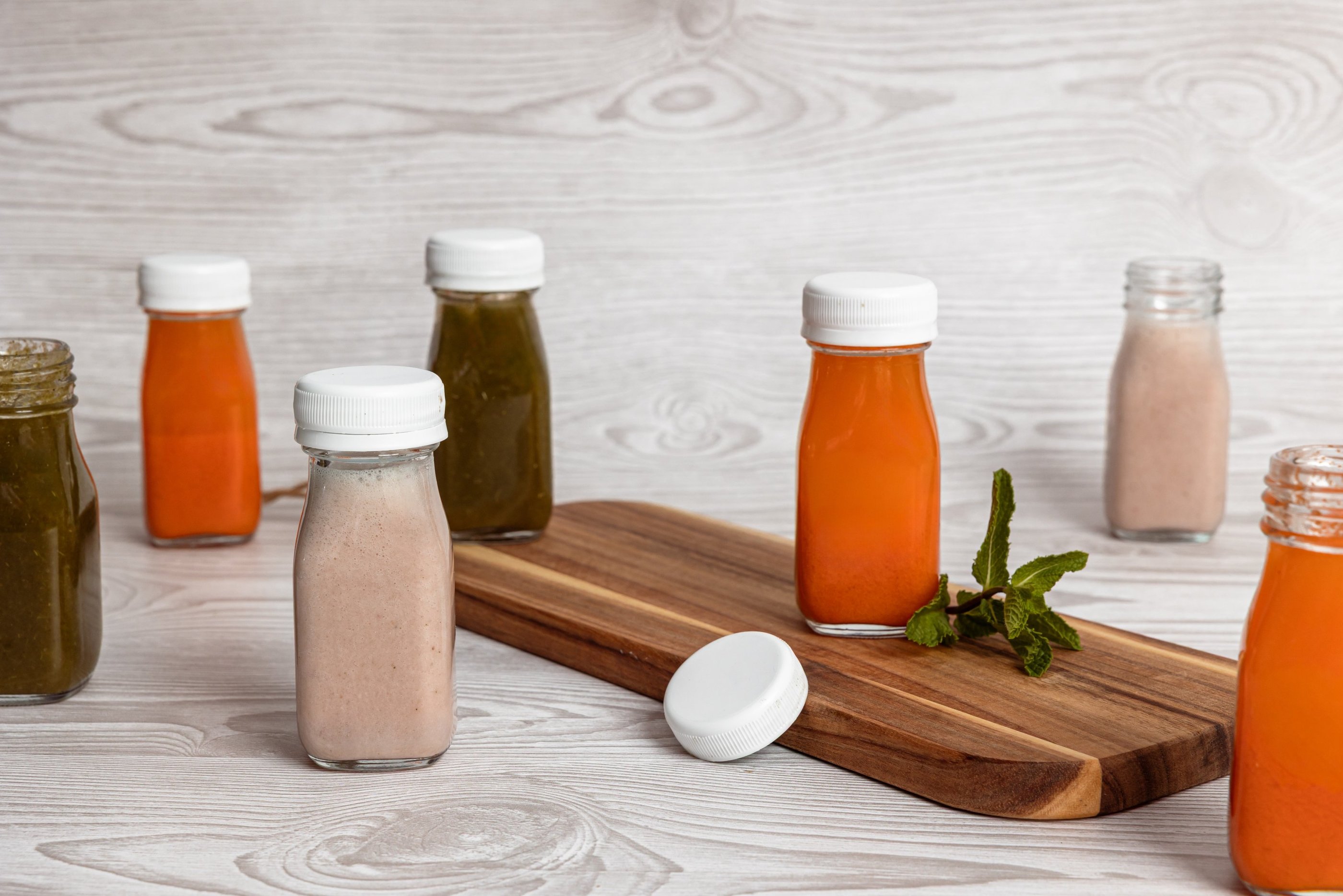
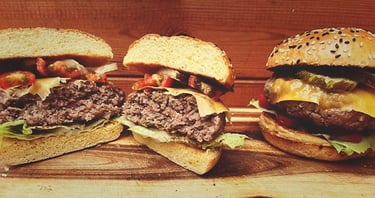
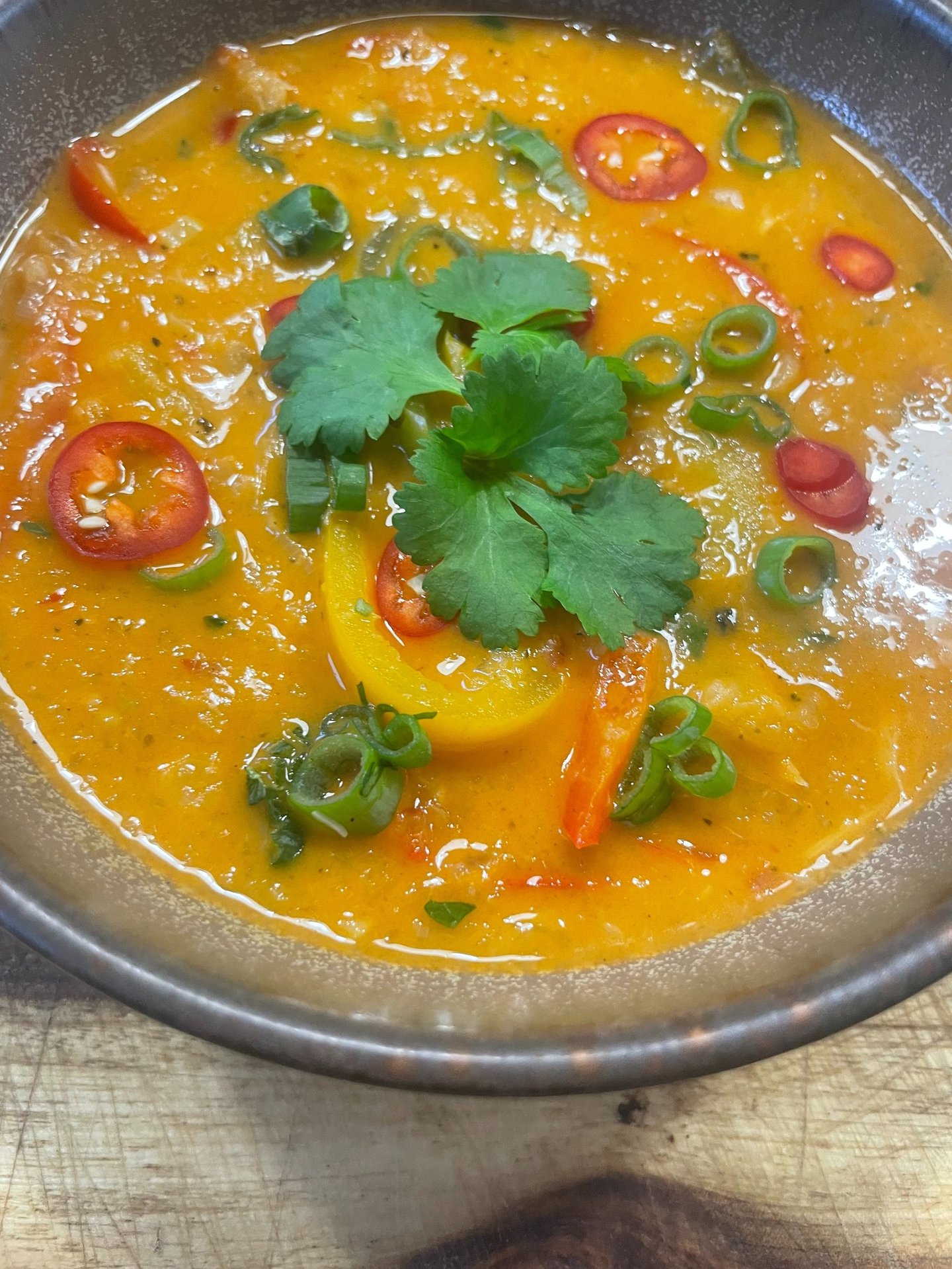
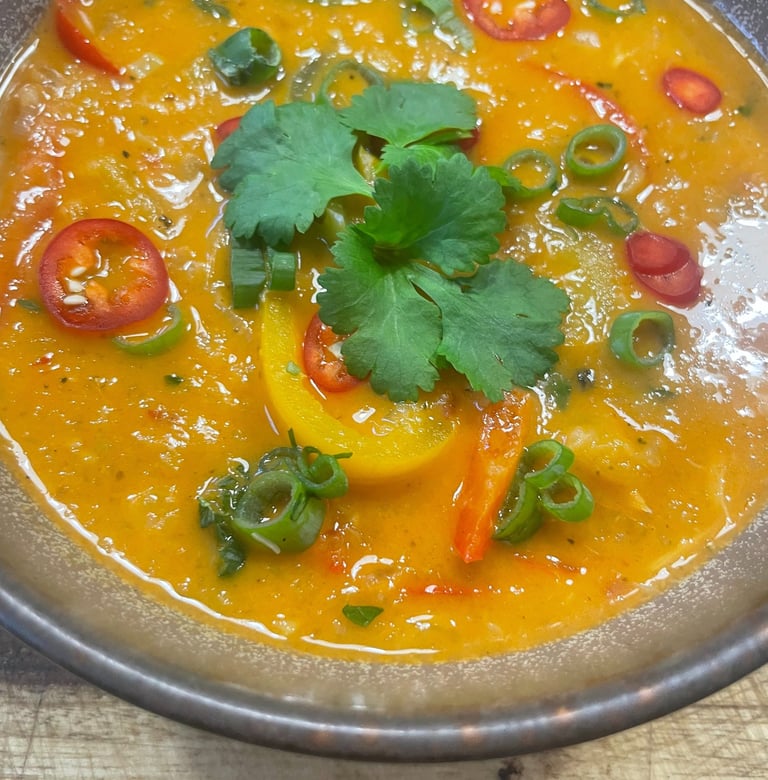
We give food manufacturers a low-friction route to clean-label progress (recognisable on label, regulatory simple, procurement ready.)
Get in touch
© 2026. All rights reserved.
Upcycled Plant Power ('UPP') Limited
trading as "UPP" and "Freya"
Company number: 14171122
VAT Number: 428 2222 17
Registered address:
Agri-Tech Centre
Poultry Drive, Edgmond,
Newport, Shropshire
United Kingdom TF10 8JZ
Connect with us
Broccoli is a natural source of vitamin K and contains folate, potassium and beta-carotene, a provitamin A carotenoid. Our Fiba, Bynda and Prota products are a source of fibre, making them nutritionally valuable ingredients.
"Allergen-free" refers to the absence of the 14 allergens requiring declaration under UK/EU FIC. See here for our Allergen statement.

+44 1952 327 357