Feeding the next phase of food: What GLP-1s reveal about nutrition, not medication
GLP-1 medications are accelerating a shift toward smaller portions and higher nutritional demands, exposing how poorly much of today’s food system performs when consumption drops. As appetite decreases, nutrient density, digestibility, and affordability matter more, revealing the need for food reformulation that delivers protein and fibre per bite without changing habits. Low-friction nutrition, built from familiar crops and integrated into existing food formats, is emerging as the scalable bridge between medical intervention and long-term eating patterns.
1/19/20263 min read
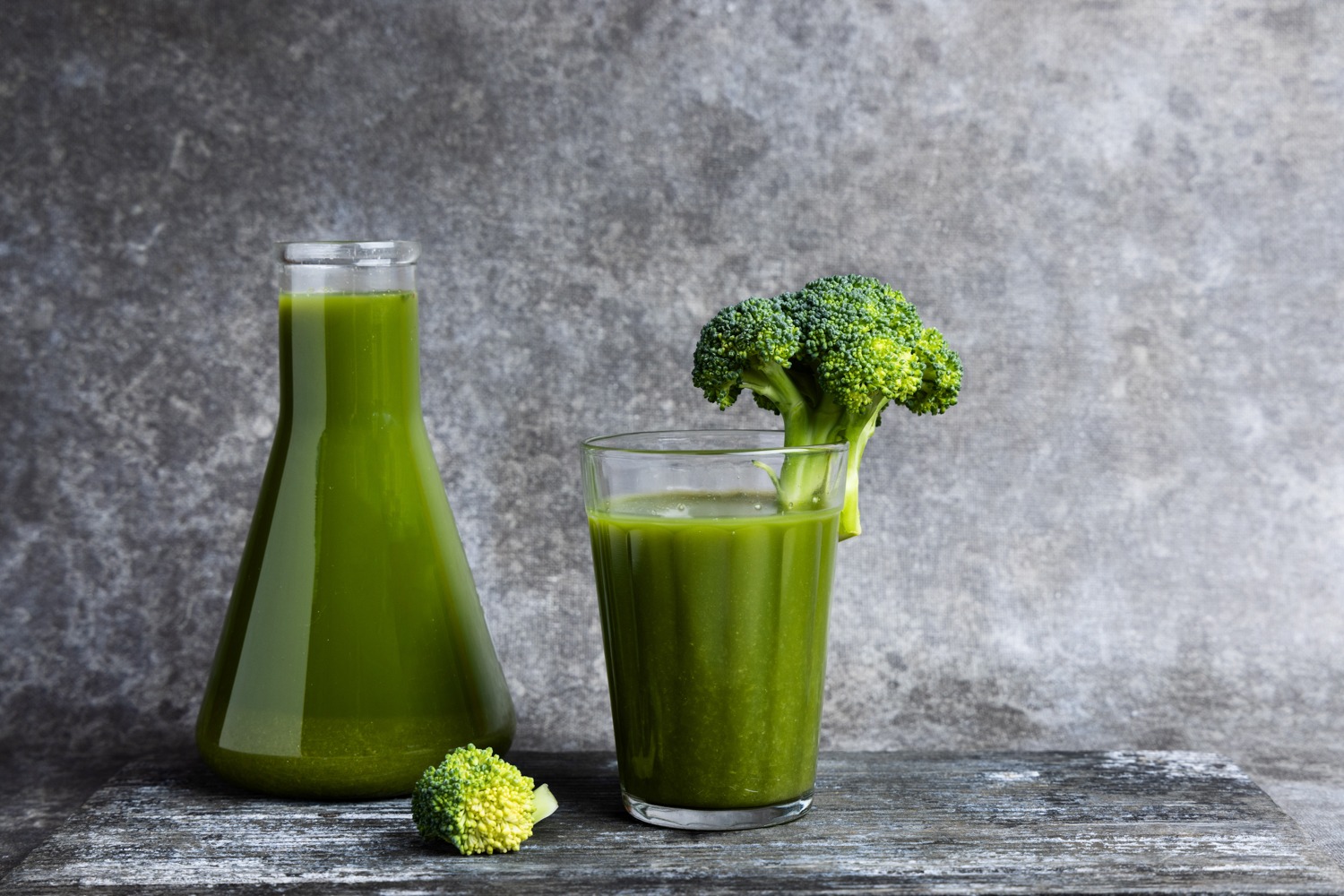
GLP-1 medications are changing how people eat - whether the food system is ready or not. Drugs like Ozempic and Wegovy are often discussed through the lens of weight loss or healthcare costs. But from a food systems perspective, they reveal something more fundamental: how poorly aligned much of today’s food supply is with the way people actually need to eat.
Reduced appetite.
Smaller portions.
Higher sensitivity to texture and satiety.
When people eat less, what they eat matters more.
This isn’t a niche issue. As GLP-1 use expands - and as many consumers eventually taper or come off medication - the demand for foods that are nutrient-dense, gentle on digestion, and affordable will only grow.
The opportunity is not to medicalise food.
It is to make food do its job better.
Smaller meals expose a big problem
For decades, food formulation has optimised for:
volume
palatability
cost per calorie
That model works when consumption is high. It breaks down when it isn’t.
When people eat smaller portions - whether due to GLP-1s, ageing populations, or shifting health priorities - foods that are:
low in fibre
low in protein
highly fractionated
nutritionally diluted
stop making sense.
The next phase of consumer food is not about eating less food. It is about eating more nutrition per bite.
Broccoli is a nutritional outlier - not a trend ingredient
Broccoli is not fashionable.
It is not novel.
It does not need a story.
It is, however, unusually dense in:
fibre
protein (relative to vegetables)
micronutrients
bioactive compounds
And yet, a significant proportion of the broccoli grown in Europe and the UK never enters the food system at all.
Leaves, stems, and surplus florets are routinely left in fields or diverted to low-value pathways - not because they lack nutrition, but because the system is not designed to use them. That is where opportunity lives.
Nutrition density without asking consumers to “try harder”
One of the persistent mistakes in food innovation is assuming that better nutrition requires:
behaviour change
premium pricing
unfamiliar ingredients
In reality, most consumers — including those on or coming off GLP-1 medication — want food that is:
familiar
affordable
easy to tolerate
quietly more nutritious
Broccoli-derived ingredients offer exactly that.
When converted into functional protein and fibre ingredients, they can:
increase satiety in smaller portions
support digestive tolerance
deliver nutrition without heaviness
integrate into existing food formats
No new habits required.
Coming off GLP-1s: where food matters most
Much of the public conversation focuses on starting GLP-1s. Less attention is paid to what happens after.
As people reduce or discontinue medication, food becomes the primary stabilising force:
maintaining satiety
supporting metabolic health
preventing rebound through nutrition, not restriction
This is where nutrient density beats calorie control. Foods that deliver protein and fibre together - in familiar, everyday formats - help bridge the gap between medical intervention and long-term eating patterns.
Not as “diet food”.
As better food.
Why affordability determines whether this scales
Nutrition that only works at a premium price point doesn’t scale.
At UPP, our focus is not on extracting novelty from broccoli - it is on extracting value from what is already grown and wasted.
By using under-utilised broccoli biomass:
farmers gain a new income stream
ingredients are lower cost than many imported alternatives
manufacturers improve margins rather than sacrificing them
consumers access better nutrition without paying more
That matters — because GLP-1 use is not limited to affluent consumers, and neither is the need for nutritious food.
System change, not product theatre
The most important shift here is upstream.
Instead of designing products around consumer willpower, the system can:
reformulate existing foods to be more nutrient-dense
improve satiety without increasing portion size
reduce reliance on globally sourced isolates
quietly align food with emerging consumption patterns
This is low-friction change — the kind that actually reaches scale.
Broccoli as infrastructure, not a hero ingredient
UPP does not position broccoli as a superfood or a solution in isolation. We treat it as infrastructure:
a crop already grown at scale
with nutrition already proven
currently under-utilised due to system inefficiency
By turning wasted broccoli into functional food ingredients, we connect:
agriculture
processing
formulation
and health outcomes
Without asking consumers to think about any of it.
A food system ready for what’s next
GLP-1s didn’t create the need for better food. They exposed it.
As people eat less - by choice, by health, or by circumstance — the food system has to respond with:
higher nutritional yield
better use of what we already grow
and economics that work for everyone involved
Broccoli isn’t the future because it’s new.
It’s the future because it’s already here — and we haven’t been using it properly.
Better for farmers.
Better for producers.
Better for people.
Better for the planet.
That’s not a dietary philosophy.
It’s a systems outcome.
Read more here.
Get in touch
© 2026. All rights reserved.
Upcycled Plant Power ('UPP') Limited
trading as "UPP" and "Freya"
Company number: 14171122
VAT Number: 428 2222 17
Registered address:
Agri-Tech Centre
Poultry Drive, Edgmond,
Newport, Shropshire
United Kingdom TF10 8JZ
Connect with us
Broccoli is a natural source of vitamin K and contains folate, potassium and beta-carotene, a provitamin A carotenoid. Our Fiba, Bynda and Prota products are a source of fibre, making them nutritionally valuable ingredients.
"Allergen-free" refers to the absence of the 14 allergens requiring declaration under UK/EU FIC. See here for our Allergen statement.




+44 1952 327 357